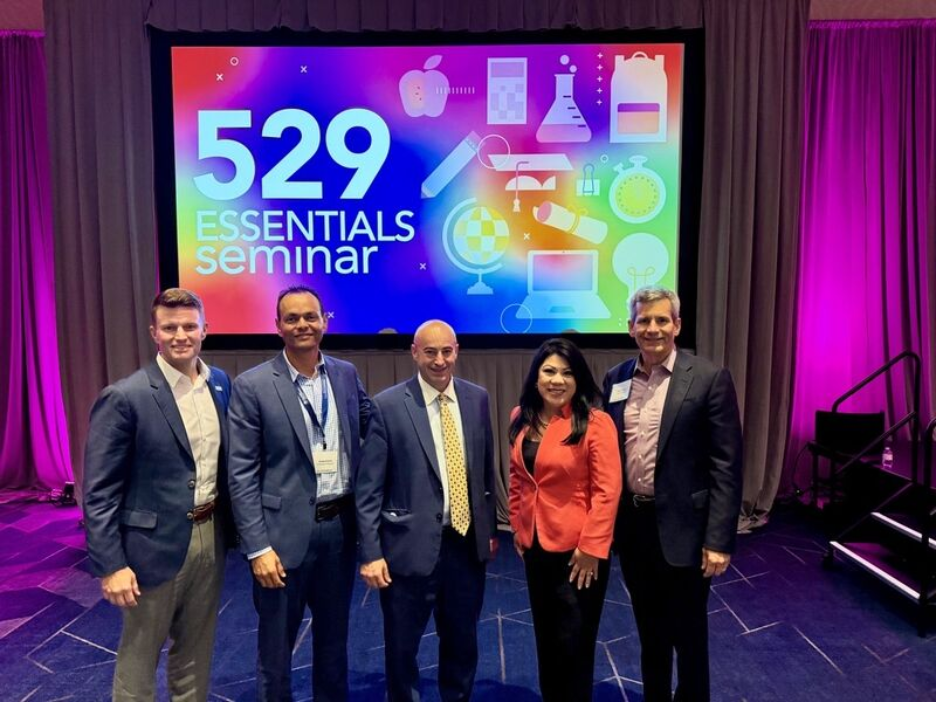
The 2026 529 Conference brought together leaders from across the education savings ecosystem in Nashville to discuss the trends, challenges, and opportunities shaping the future of 529 plans. Paul Curley, CFA, and Viraaj Kumar,joined industry peers for conversations on the evolving role of education savings and its growing connection to broader financial planning.
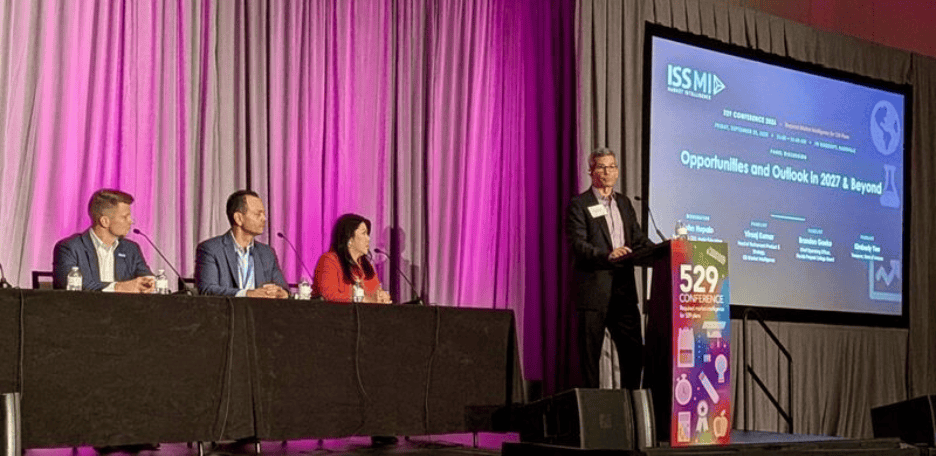
Viraaj joined the conference’s “Opportunities and Outlook in 2027 & Beyond” panel alongside Brandon Goeke of Florida Prepaid and Arizona State Treasurer Kimberly Yee, with moderation by John Hupalo. The discussion highlighted how the industry is evolving beyond traditional college savings to become a more integrated component of financial planning.
While the conversations covered a wide range of topics, several recurring themes emerged throughout the conference.
Education Savings Is Becoming Education Planning
One of the clearest messages from this year’s conference was that the role of 529 plans continues to expand.
Historically viewed as a vehicle for funding traditional four-year college education, 529 plans are increasingly becoming part of a broader discussion around education planning, workforce development, career readiness, and lifelong learning. As educational pathways diversify, providers and policymakers alike are rethinking how savings solutions can support families pursuing a variety of educational and professional goals.
The shift reflects a broader industry recognition that education financing is no longer a standalone decision. Instead, it sits alongside retirement planning, wealth accumulation, and long-term financial wellbeing.
Expansion Creates Opportunity, and Complexity
Over the past several years, policymakers have expanded the range of qualified expenses and use cases for 529 plans. While additional flexibility creates new opportunities for account owners, it also introduces complexity.
For many families, understanding how and when to use a 529 plan remains a significant hurdle. Conference attendees emphasized that future growth will depend not only on expanding plan capabilities, but also on making those capabilities easier to understand and access.
As the industry evolves, simplifying access to education may prove just as important as product innovation itself.
Distribution Continues to Be a Critical Growth Lever
Another common topic throughout the conference was distribution.
While awareness of 529 plans has grown over the years, many participants noted that reaching the next wave of investors will require stronger integration into the channels where financial decisions are already occurring. Financial advisors, workplace savings programs, wealth management platforms, and digital experiences all present opportunities to increase adoption and engagement.
As distribution models continue to evolve, organizations that can effectively connect education planning with broader financial planning conversations may be best positioned for long-term growth.
The Future of 529s Extends Beyond a Single Account
Perhaps the most compelling takeaway from the conference was the growing recognition that education planning is part of a larger financial ecosystem.
Many conversations focused on the relationship between education savings, retirement planning, wealth management, and broader household financial goals. Rather than existing as standalone products, these solutions increasingly work together to support families across multiple stages of life.
In many ways, the 529 industry appears to be entering a phase similar to the ongoing evolution of the retirement industry , moving from product adoption toward ecosystem integration.
Looking Ahead
The discussions in Nashville made one thing clear: the next stage of growth for the 529 industry will be driven by accessibility, connectivity, and integration.
The challenge ahead is no longer simply encouraging families to open a 529 account. Instead, the opportunity lies in making education financial planning a natural and visible part of the broader financial journey.
As providers, policymakers, advisors, and technology partners continue to innovate, the organizations that make education planning easier to understand and more connected to other financial goals are positioning themselves to ultimately shape the future of the industry.
To learn more about ISS MI’s 529 research and event offering or to subscribe to the 529 Industry Analysis Report, click here.