
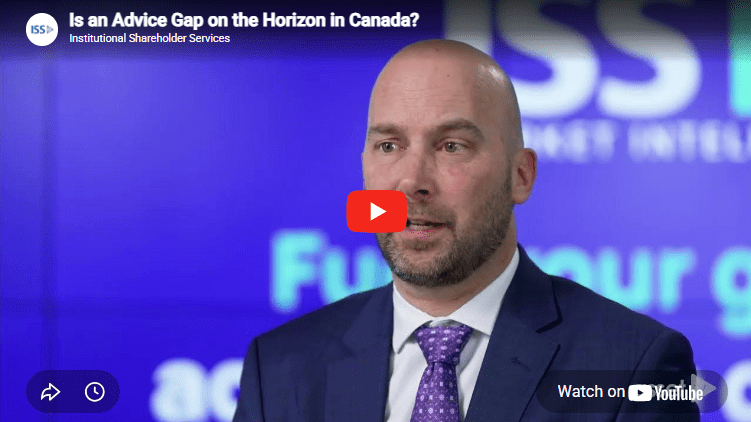
Vince Linsley recently sat down with Asset TV to discuss one of the most pressing structural issues facing the wealth management industry today: the aging advisor population. While demographic trends across the globe may suggest an inevitable advice gap, Vince explains why firms in Canada aren’t panicking, and why the long-term risks are more nuanced than a simple shortage of advisors.
In the conversation, Vince outlines key insights that every asset manager, wealth firm, and RIA should be thinking about now, from succession timing and teaming models to client retention across generations. Watch the video below and read on for the key takeaways shaping the next decade of advisor and client transitions.
The Advisor Population Is Aging, but the Advice Gap isn’t Imminent in Canada
At first glance, the data looks alarming: baby boomers and the advisors serving them are reaching retirement age. However, Vince highlights that most firms in Canada are not expecting a sudden drop-off in advisor capacity. Advisors are working longer (often into their late 60s and 70s) and many are still actively growing sizable, profitable practices.
Firms should resist reactive hiring sprees driven by fear of short-term shortages. Instead, they should use this extended working window to proactively plan, giving themselves time to structure thoughtful, durable succession strategies rather than rushed replacements.
The Real Risk Is a Thin Pipeline of New Advisors
While today’s advisor base remains stable, Vince points to a structural concern beneath the surface: for nearly two decades, the total advisor population has barely grown. Younger advisors are entering the industry, but not at a pace that meaningfully refreshes the demographic mix. As a result, experience levels are rising, but rejuvenation isn’t.
Asset managers and firms should consider doubling down on developing early-career advisors now. Building sustainable growth means investing in training, career paths, and economic models that make advisory roles attractive to the next generation before retirement pressure accelerates.
Succession Planning Works Best When It Starts Early
Vince also highlighted that succession planning should be a key component of any firm’s long-term strategy. The most effective transitions begin years in advance, often three to five years before retirement. Firms prioritizing early successor identification, formal valuation frameworks, and active involvement from branch and practice management teams are creating a more stable foundation for long‑term succession success.
Firms should treat succession as a structured process, not an event. Clear timelines, defined successor criteria, and early client introductions reduce disruption, protect assets, and give both advisors and successors financial and emotional clarity.
Teams Are No Longer Optional
Vince emphasizes that teaming has evolved far beyond simple backup support. Today, teams allow advisors to manage larger, more complex books while creating built-in successor pools. Future buyers of practices are increasingly internal and are often associates or junior advisors who already know the clients, systems, and culture.
Encourage and formalize team-based models. Firms that support teaming improve scalability today and dramatically increase succession success tomorrow by developing successors organically within existing practices.
The Long-Term Challenge? Client Retention
Perhaps the most important shift Vince highlights is where the biggest risk is in the road ahead. Even if succession avoids an advice gap, client retention is the bigger long-term challenge. Successors aren’t just buying current revenue; they’re paying for future relationships with spouses, heirs, and next-generation investors. Preferences are changing, and expectations around digital experience, service models, and trust are evolving.
Asset managers and firms must equip successors with tools, technology, and training to retain multi-generational relationships. Supporting female investors, digitally native clients, and inheritors will determine whether books of business truly grow (or slowly erode) after transition.
As Vince makes clear, firms that plan early, embrace teaming, and focus on client continuity will be far better positioned to navigate advisor retirement, retain assets, and capture growth from intergenerational wealth transfer.
Want to learn more about how our data and insights help modern firms navigate advisor succession, retention risk, and the next generation of growth? Get in touch with us.